

Gisborne’s Mental Health Facility
Category
Commercial, Engineer to the Contract, Health Care, Main Contractor Procurement, Project ManagementAbout This Project
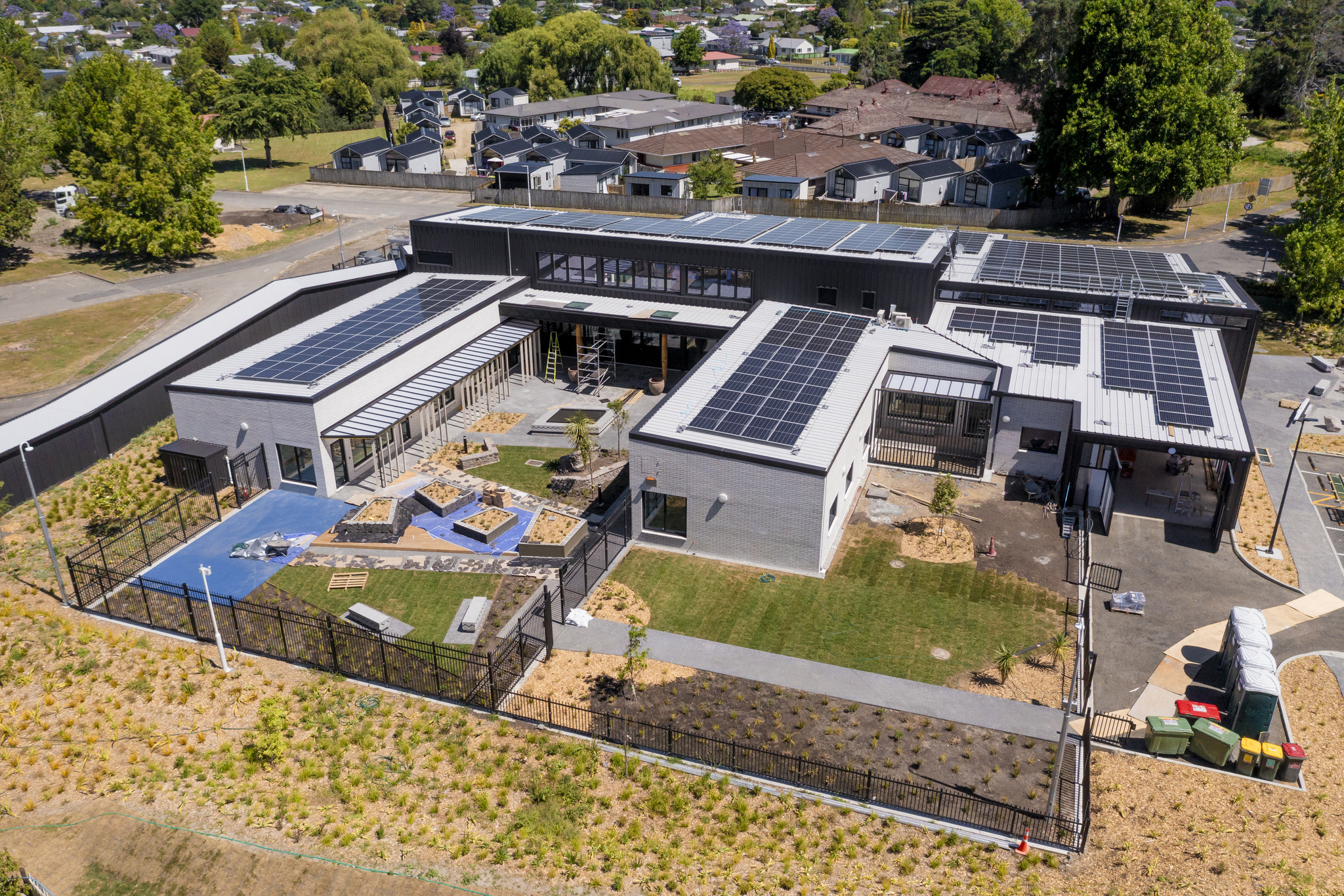
HPM were engaged as both Engineer to the Contract and Project Manager for the $31.1 million Gisborne Hospital Mental Health Facility. This state-of-the-art development was designed to provide early intervention and preventive care for mental health and addiction, reflecting both the needs of the community and the region’s cultural values.
Within our team, responsibilities were clearly defined. As Engineer to the Contract, we acted fairly and impartially to ensure all parties met their contractual obligations. At the same time, as Project Manager, we coordinated key stakeholders, oversaw anti-ligature requirements, managed contract instructions and variations, facilitated meetings, produced monthly progress reports, and ensured quality and functionality standards were achieved through to project close-out and the defects liability period.
Our approach was hands-on and relationship-focused, fostering strong communication and alignment across all project participants. We worked closely with health officials, local community members, contractors, and other stakeholders to ensure everyone remained focused on a shared outcome. Clear, consistent communication and a commitment to understanding stakeholder perspectives were central to our delivery.
The project faced significant external challenges, including multiple severe weather events, Cyclone Gabrielle, and the COVID-19 pandemic. Road closures between Hawke’s Bay and Gisborne frequently limited travel, at times cutting off access altogether. To mitigate these disruptions, we adapted our approach by arranging regular flights to Gisborne to maintain an on-site presence while also strengthening our use of remote project management systems. This hybrid model enabled us to sustain stakeholder engagement, uphold programme timelines, and manage quality and compliance despite the obstacles.
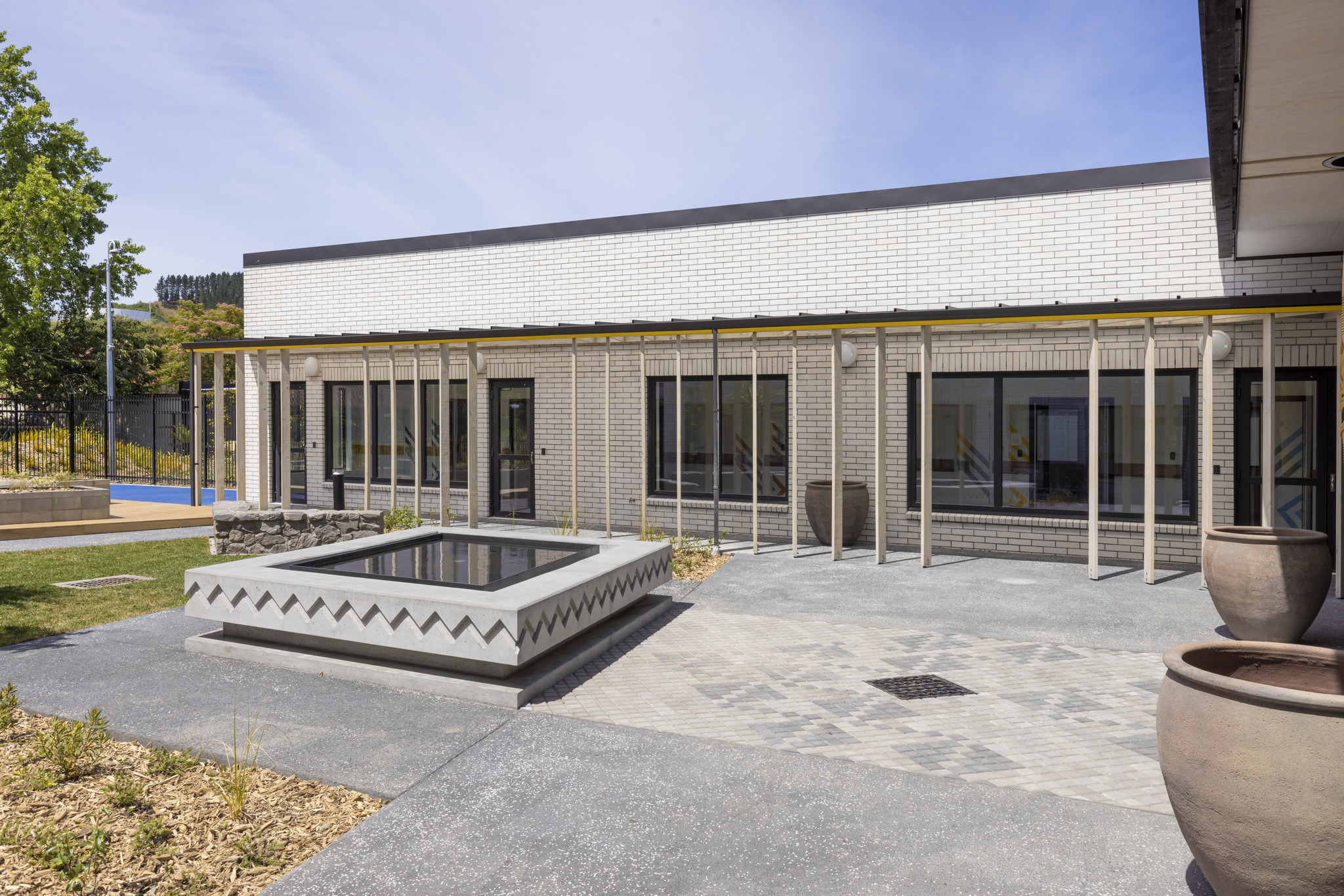
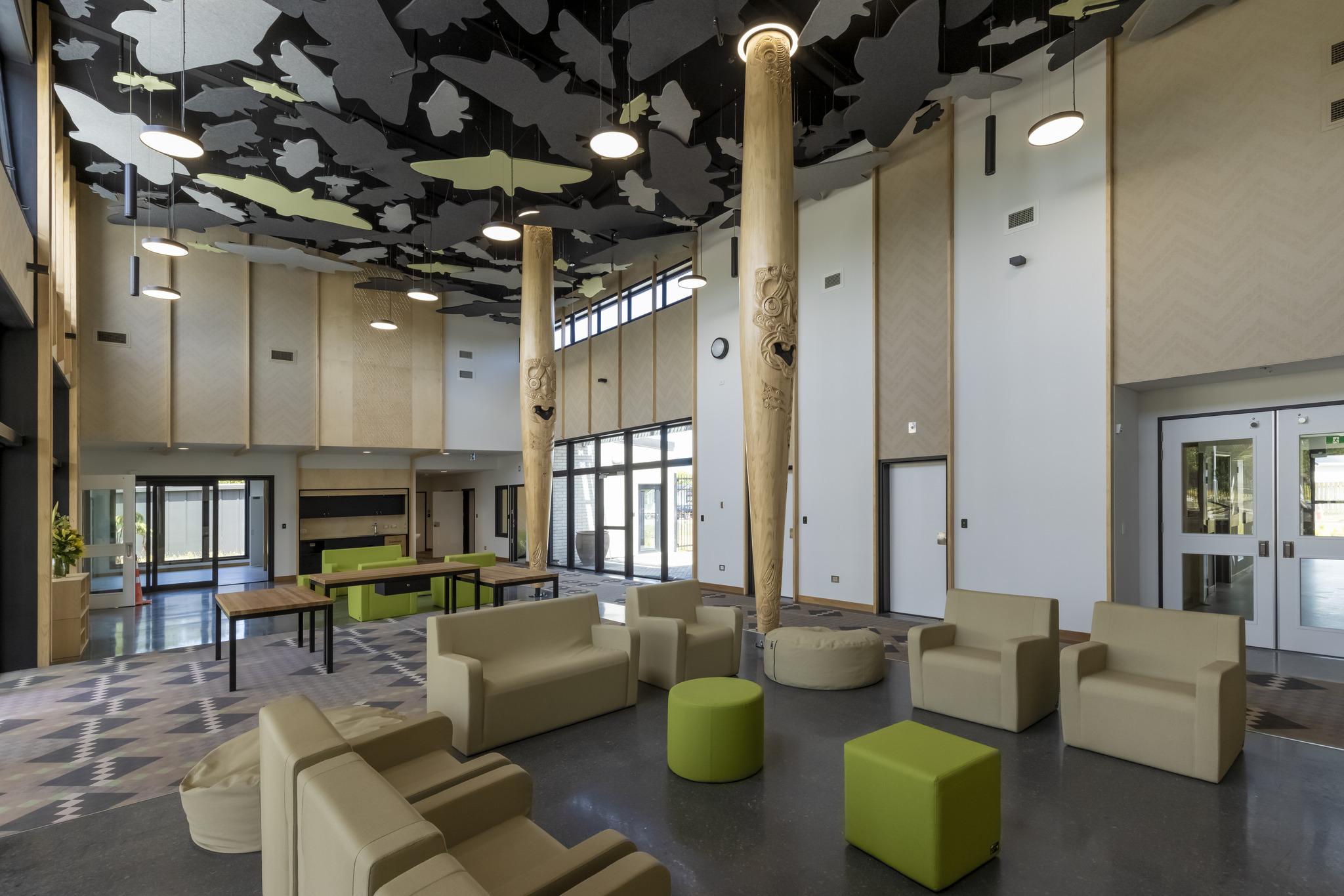
A central focus of the project was sustainability, with delivery guided by Core Green principles. These informed the selection of materials, energy systems, and construction methods to minimise environmental impact while creating a healthier, more efficient facility. Equally important was the integration of Māori cultural elements into the design. Carved timber features, natural light, and spaces designed to connect with the outdoors provided a therapeutic environment that honoured the spiritual and cultural significance of the place. These cultural elements ensured the facility supported healing not only through clinical care but also through a sense of belonging and connection.
Through flexibility, commitment, and technical expertise, we successfully delivered a complex and multifaceted project that balanced functionality, sustainability, and cultural values. The Gisborne Mental Health Facility stands as a testament to our ability to manage challenging projects while contributing meaningfully to the well-being of the community.